
The Iron Magnolia Archives: Field Notes, Cultural Memory & Supplemental Materials
The Archive is a living companion to The Iron Magnolia—a space for field notes, historical materials, reflections, photographs, and supplemental resources connected to the stories explored within the journal.
Rooted in the tradition of Black Southern storytelling and inspired by the observational practices of Zora Neale Hurston, the archive preserves the traces, documents, voices, and ongoing questions that live beyond the printed page.
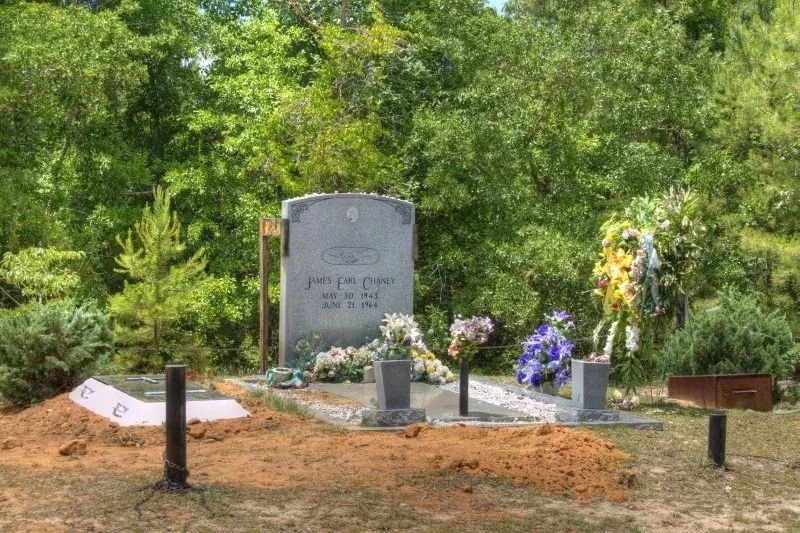
Fieldnote: A Grave at the Edge of the Road
A road trip through East Mississippi led to the grave of a young man history should never have forgotten. This field note reflects on remembrance, Southern memory, and what it means to stand where history happened.
Behind every movement are families asked to carry unimaginable weight. This section honors the Chaney family—not only James Chaney, whose life was taken during Freedom Summer, but also the mother, brother, daughter, and loved ones who carried his memory forward long after the headlines faded. Through photographs, reflections, and historical materials, these images offer a glimpse into the people, relationships, and everyday humanity that existed alongside one of the most significant struggles in American history.
The Chaneys: Family, Memory, and Freedom Summer
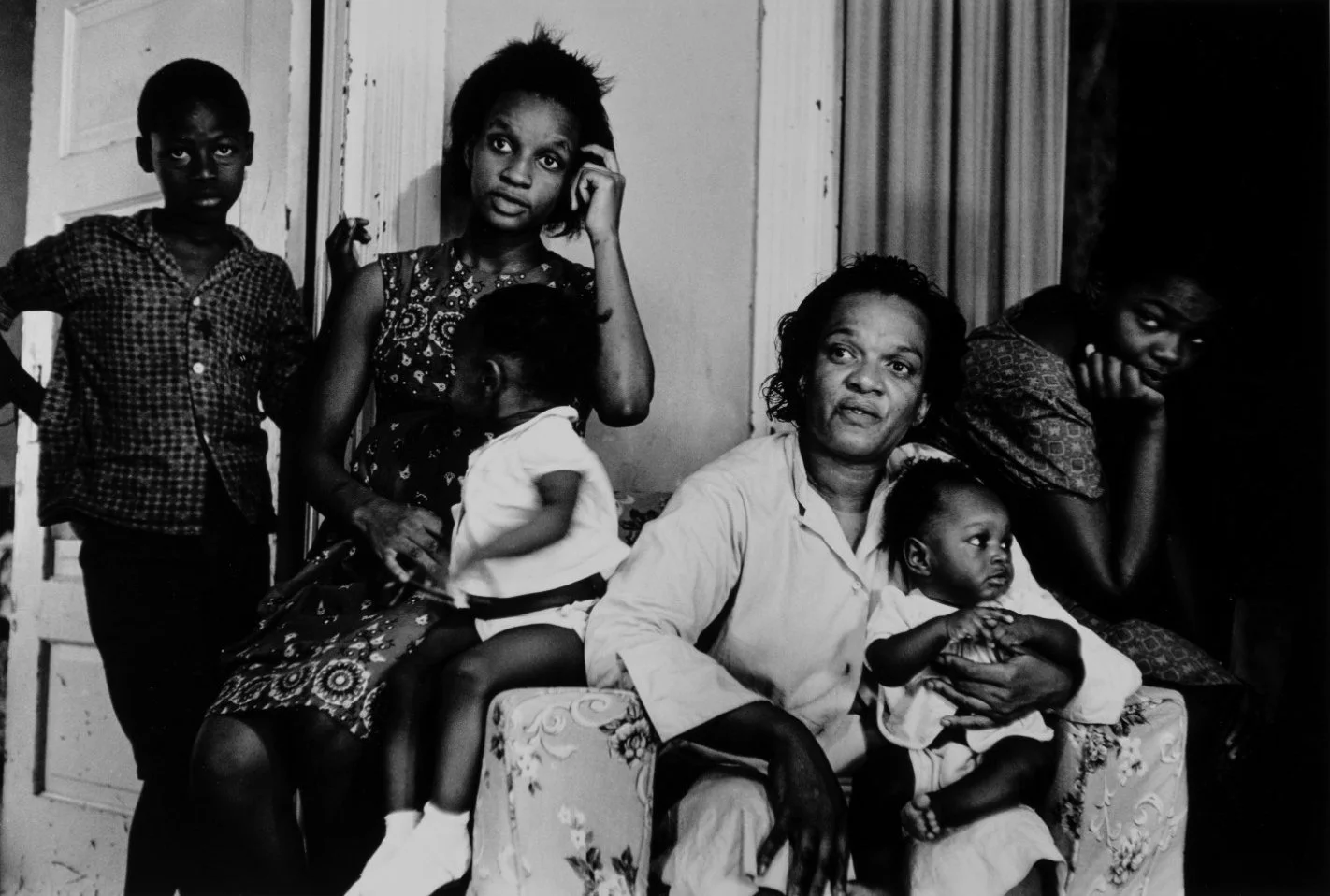
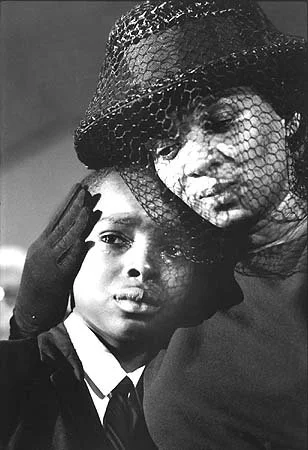
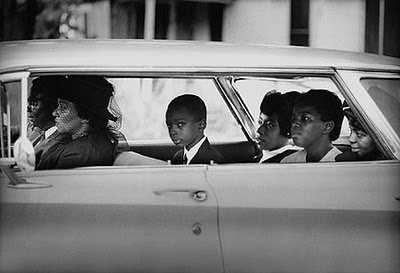
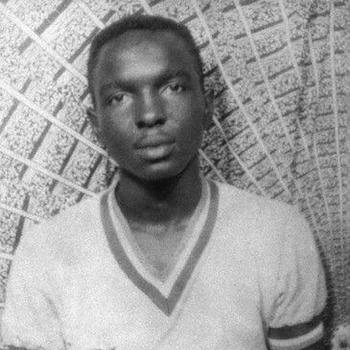
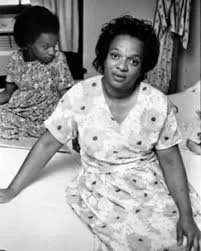
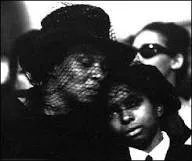
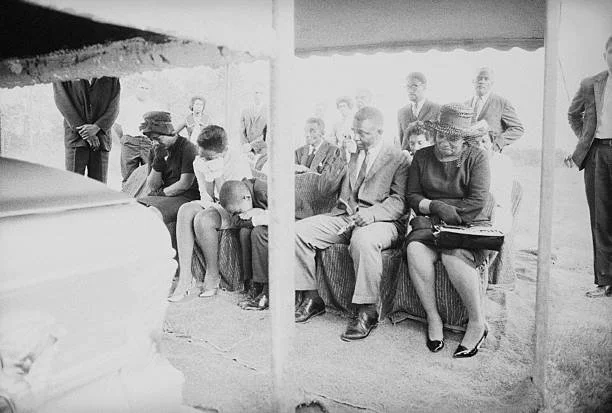
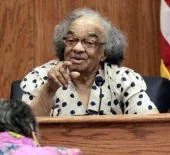
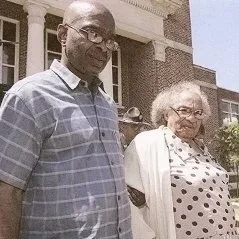
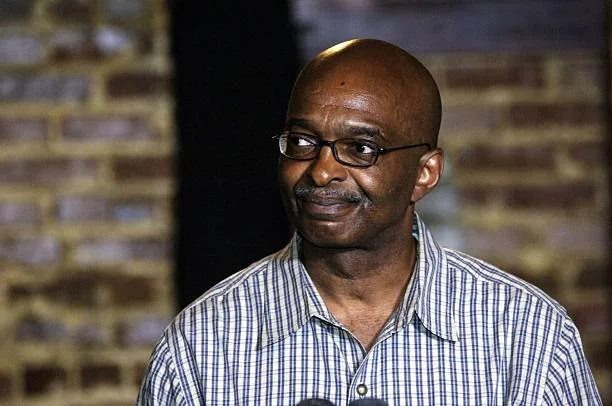
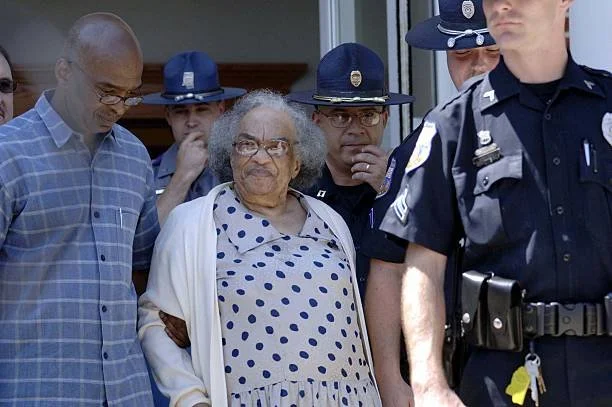
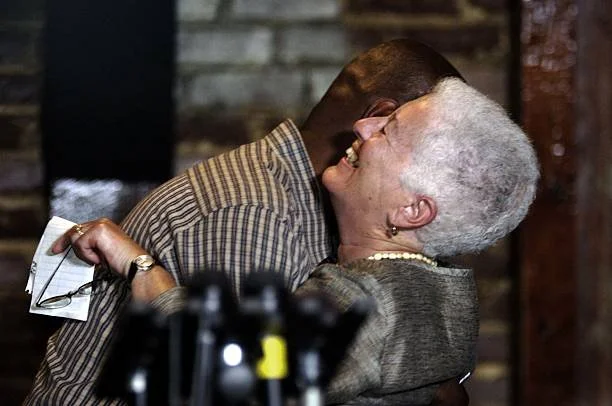
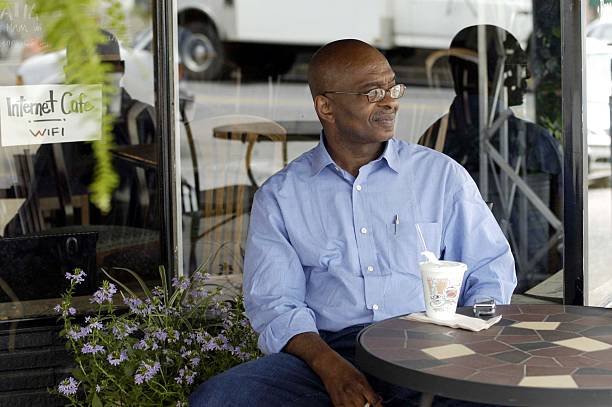
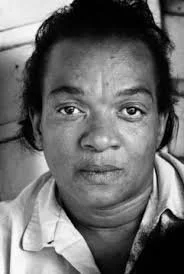
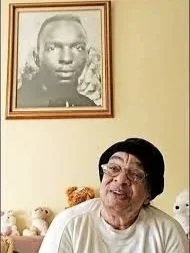
History often remembers James Chaney, Andrew Goodman, and Michael Schwerner together. Their names are linked by one of the most infamous crimes of the Civil Rights Movement. But before they became part of that history, they were individuals with families, ambitions, convictions, and lives still unfolding. The materials collected here offer a closer look at the people behind the headlines and the legacies that continue in their names.
Three Lives, One Story
When I began researching Freedom Summer, I expected to learn more about the movement. What I didn’t expect was to find myself sitting in a Starbucks, crying over a postcard.
Among the materials preserved by the Andrew Goodman Foundation was a postcard Andrew sent home to his parents. Postmarked on the day he was murdered, it contained a simple message: “The people in this city are wonderful, and our reception was very good.” There was nothing dramatic about it. No sense of danger. Just a young man writing home about the people he had met and the place he had come to serve.
I found myself lingering over his volunteer application as well, wondering what he was thinking as he filled it out. What made him say yes? What convinced him that he had something to offer? Reading his words, it was impossible not to think about the life he was still in the process of becoming.
History often remembers Andrew Goodman as one of three young men murdered during Freedom Summer. The documents collected here reminded me that before he became history, he was simply a son, a student, and a young person trying to make himself useful in the service of something larger than himself.
Andrew Goodman: A Life Before the Headlines
Photographs courtesy of the Andrew Goodman Foundation. Images link directly to source materials and additional resources preserved by the Foundation.
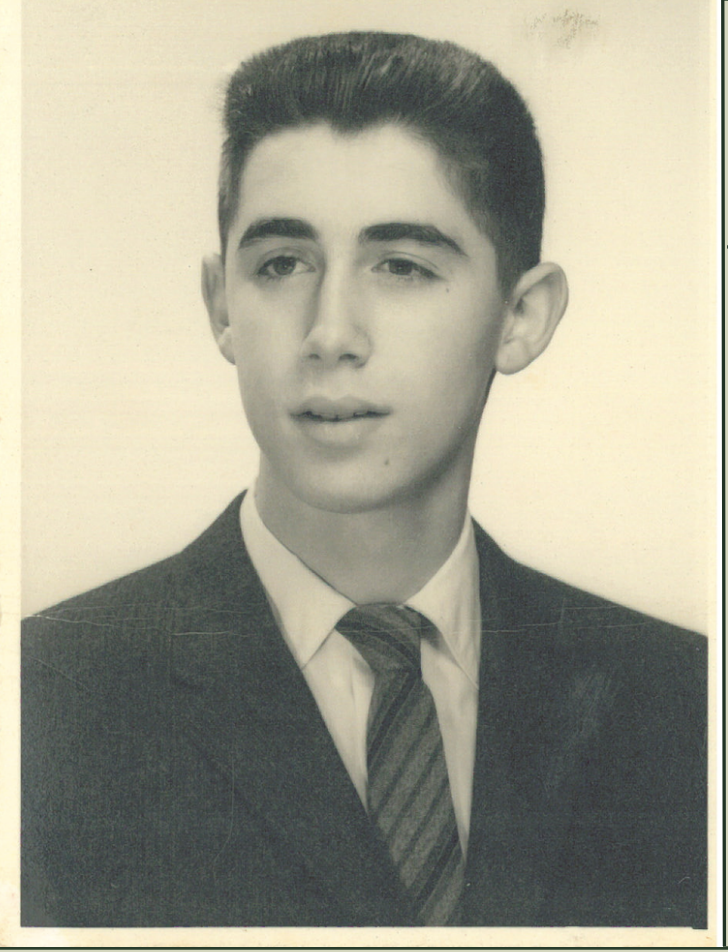
Andrew Goodman in a portrait from March 1959. Photo Credit: Andrew Goodman Foundation
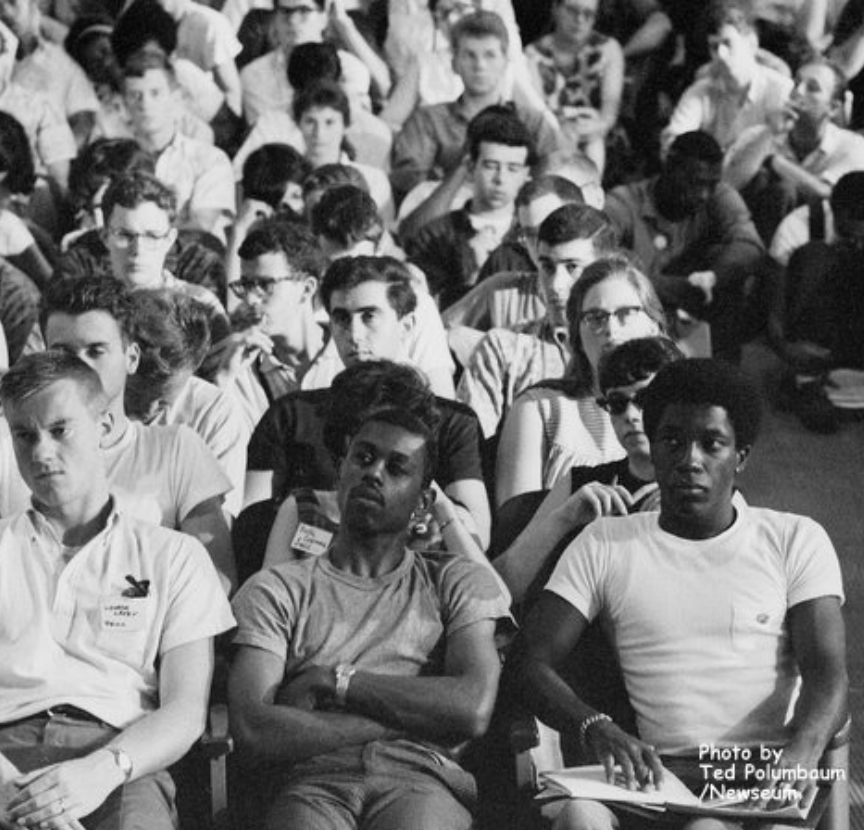
Andrew Goodman in the crowd of volunteers at Freedom Summer training in Oxford, Ohio, in June 1964. He is pictured in the second row, center, wearing a dark shirt. Photo Credit: Andrew Goodman Foundation
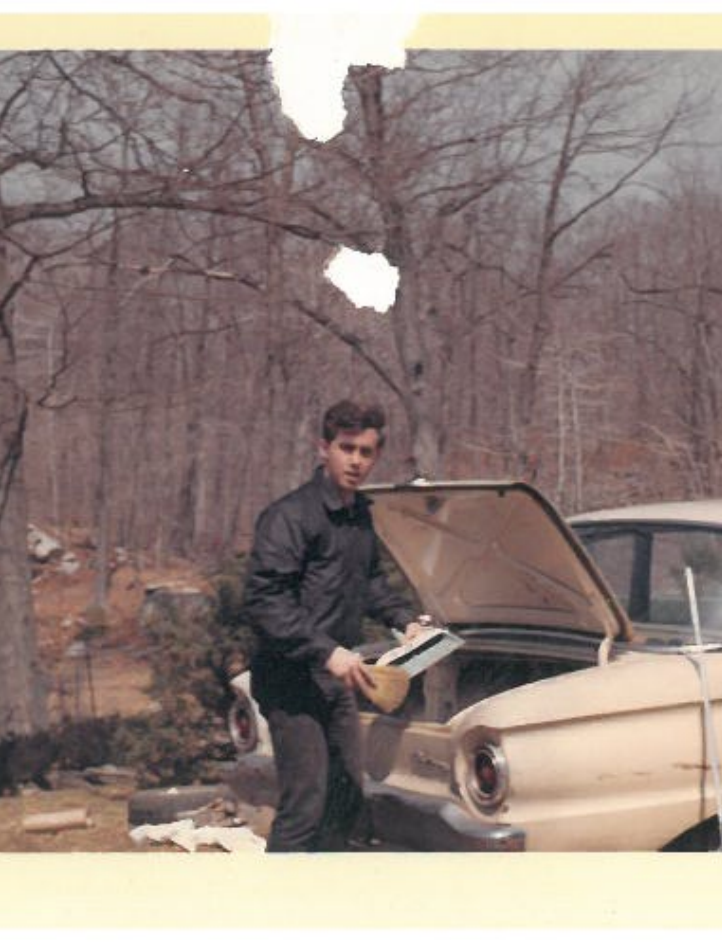
Waccabuc, New York, in 1964. This is my personal favorite photo of Andrew Goodman. Photo Credit: Andrew Goodman Foundation
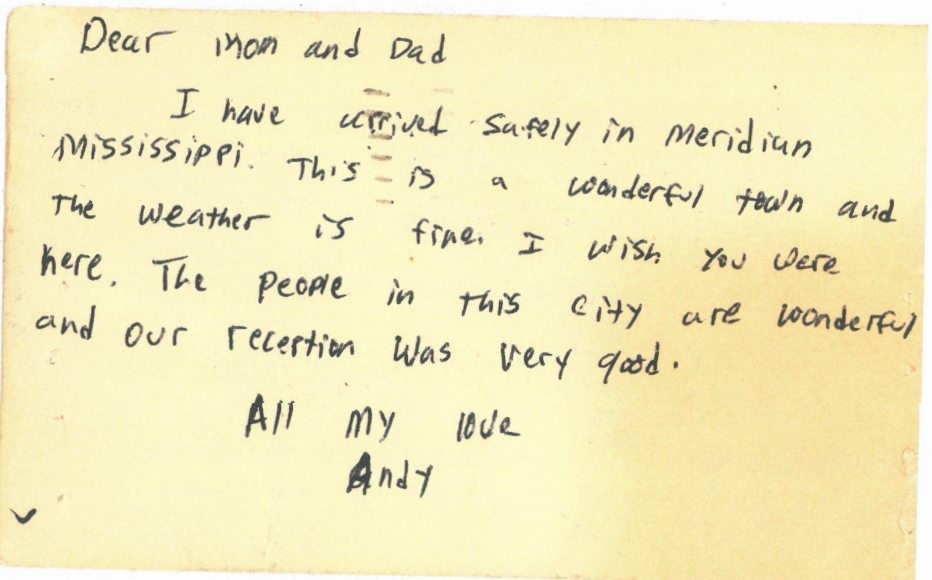
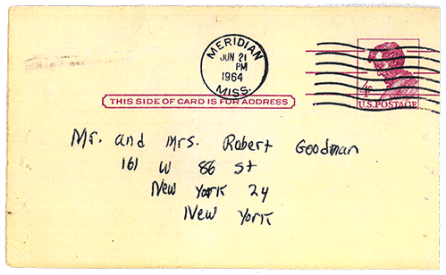
Shortly after arriving in Mississippi following Freedom Summer training in Ohio, Andrew Goodman mailed this postcard home to his parents. He wrote that everyone was kind and that he was doing well. Hours later, he was dead. What was meant to be an ordinary update became one of the last pieces of correspondence his family would ever receive.
Additional Links
For those interested in exploring further, the resources below provide additional context on Freedom Summer, the Civil Rights Movement, and the lives of James Chaney, Andrew Goodman, and Michael Schwerner. Together, they offer a deeper understanding of the people, organizations, and ideas that shaped one of the most consequential chapters in American history.
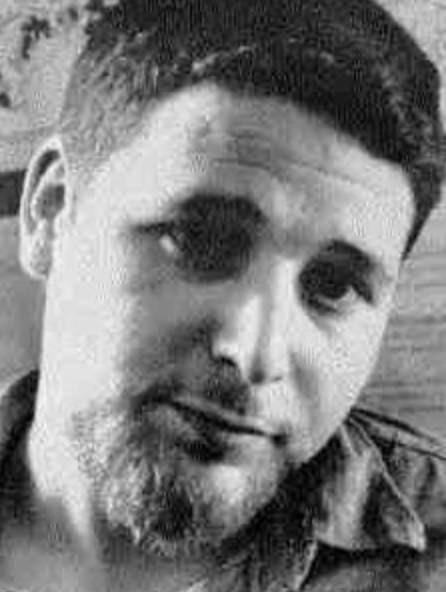
Michael Schwerner in an undated photo.
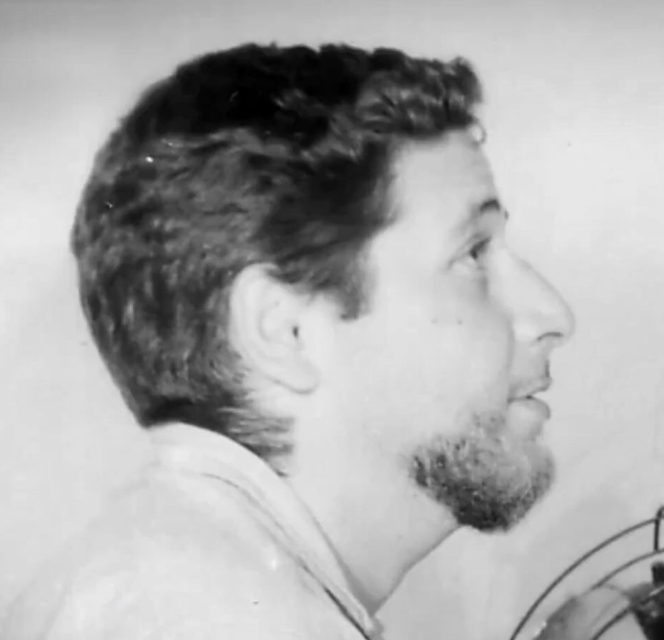
An an undated photo of Michael Schwerner from FindAGrave.com
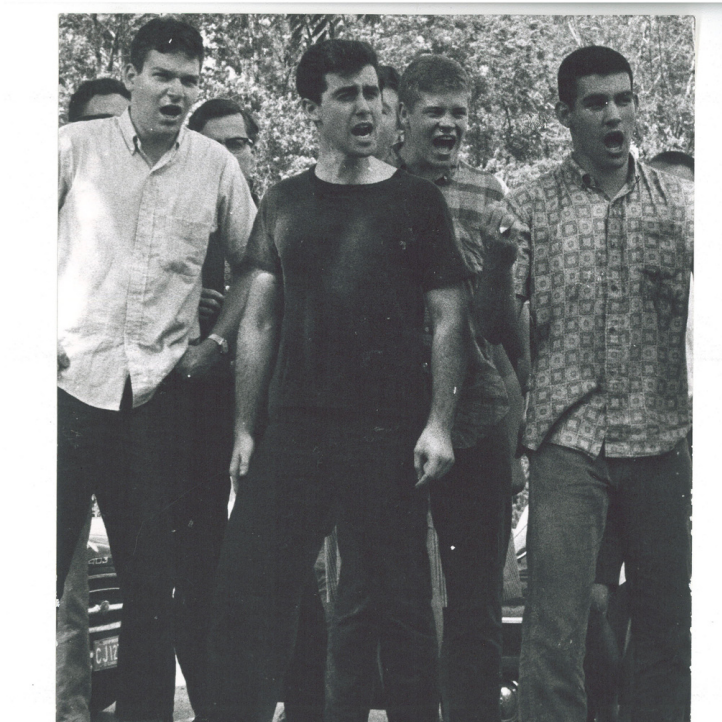
Andrew Goodman with his co-trainees in 1964 at Western College for Women in Oxford, Ohio. Photo: Andrew Goodman Foundation.
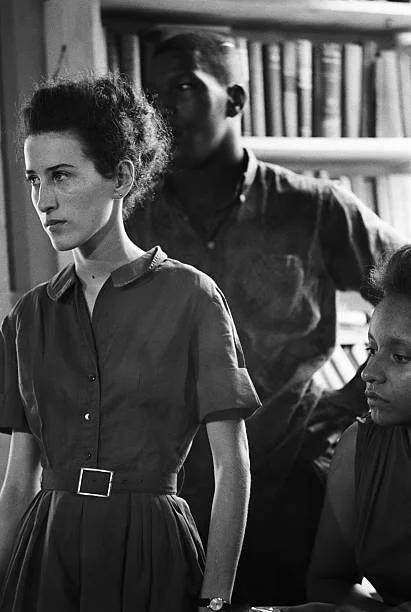
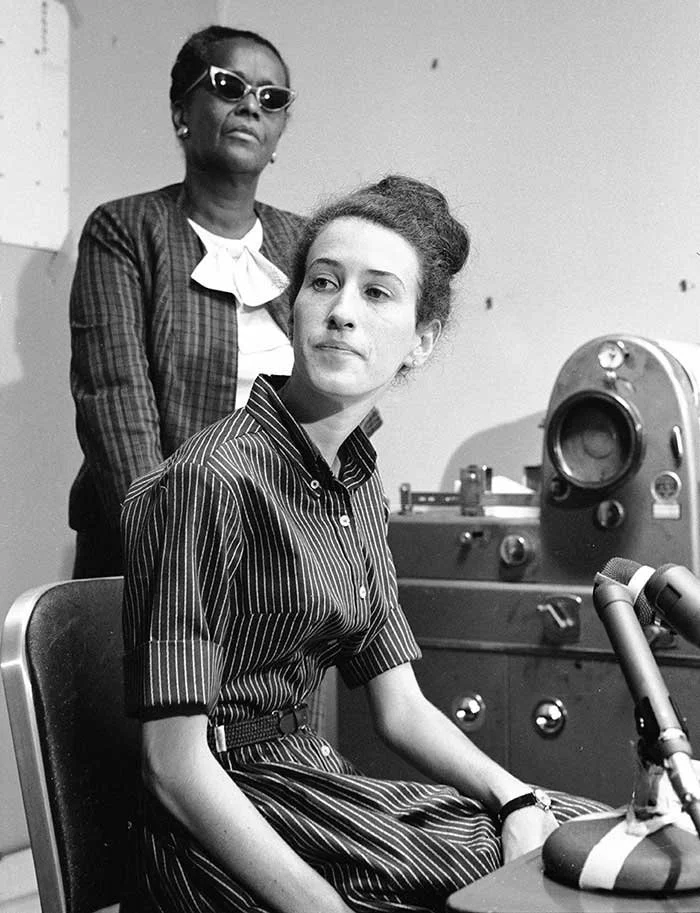
Mrs. Rita Schwerner (seated) and Ella Baker in 1964. Photo by Stan Wayman.
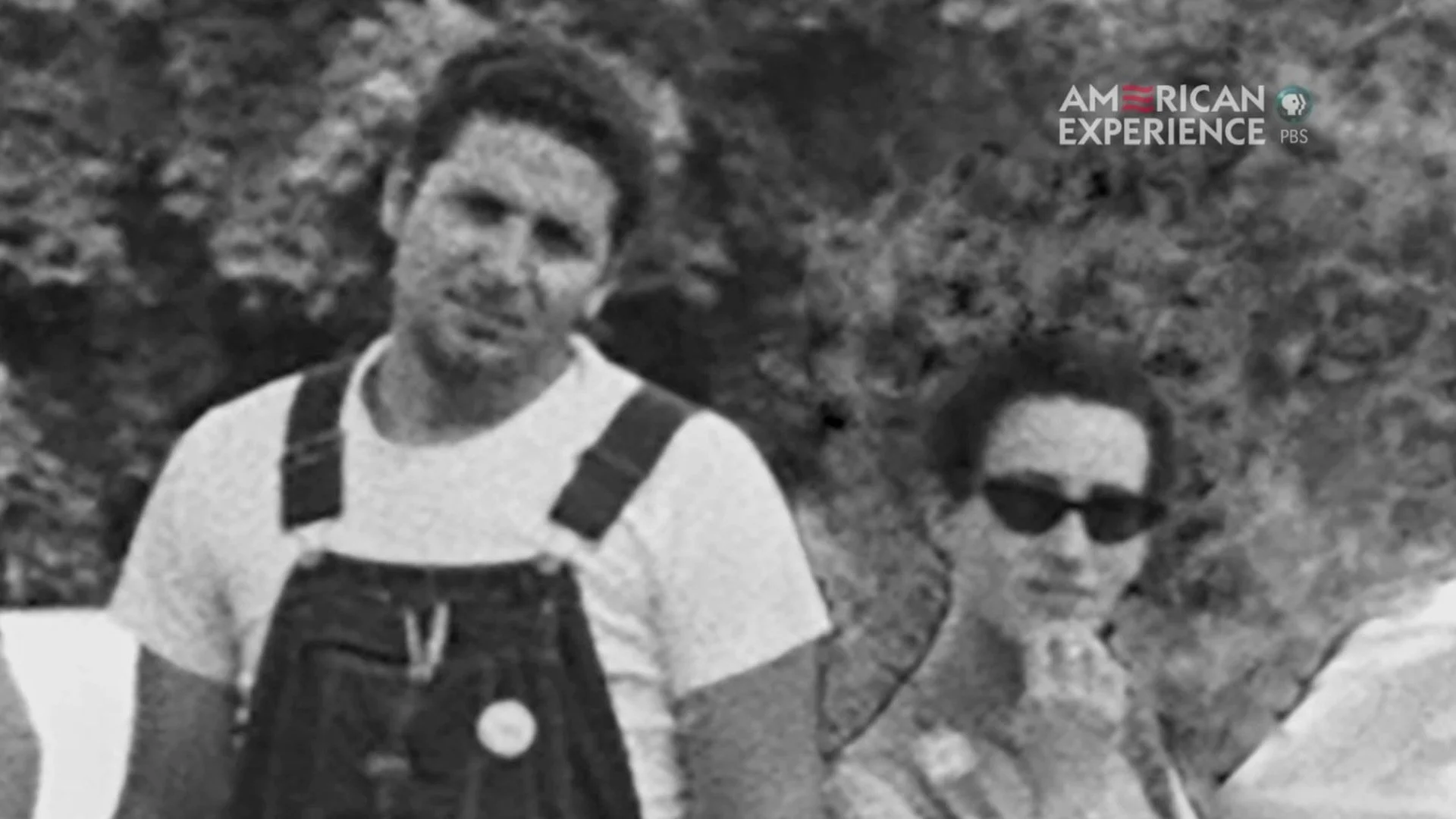
Michael Schwerner and his wife Rita during Freedom Summer 1964. Photo: PBS
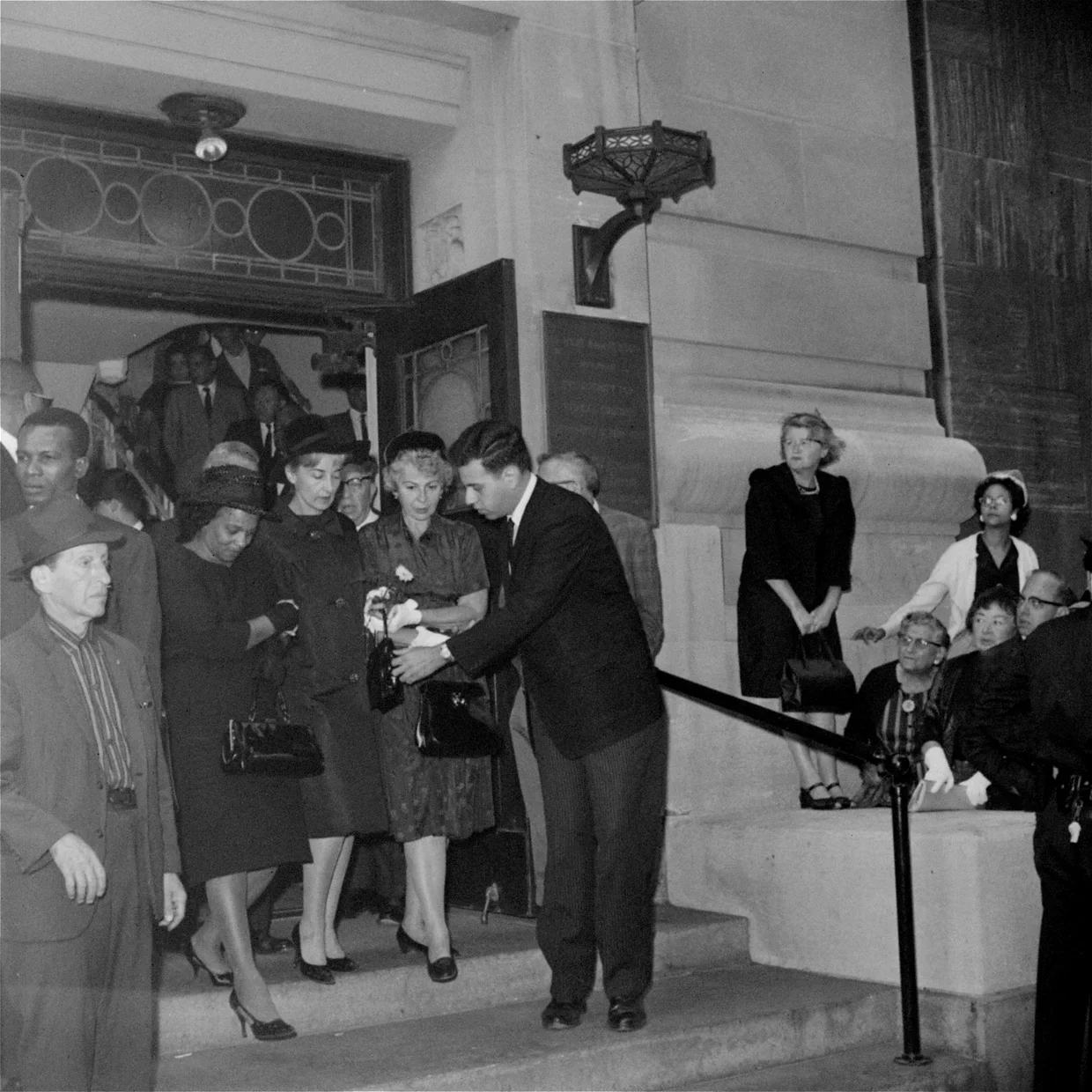
Mrs. Caroline Goodman, center, with Mrs. Fannie Chaney, mother of James E. Chaney, slain civil rights worker, left, and Mrs. Nathan Schwerner, mother of slain Michael Schwerner, are escorted from Ethical Culture Society Hall August 9, 1964, after attending funeral services for her son Andrew Goodman, in New York. Man at right is unidentified. More than 1,200 mourners attended services for Goodman. About 450 persons were outside the hall behind police lines, and another 175 were seated in the hall's basement. AP Photo
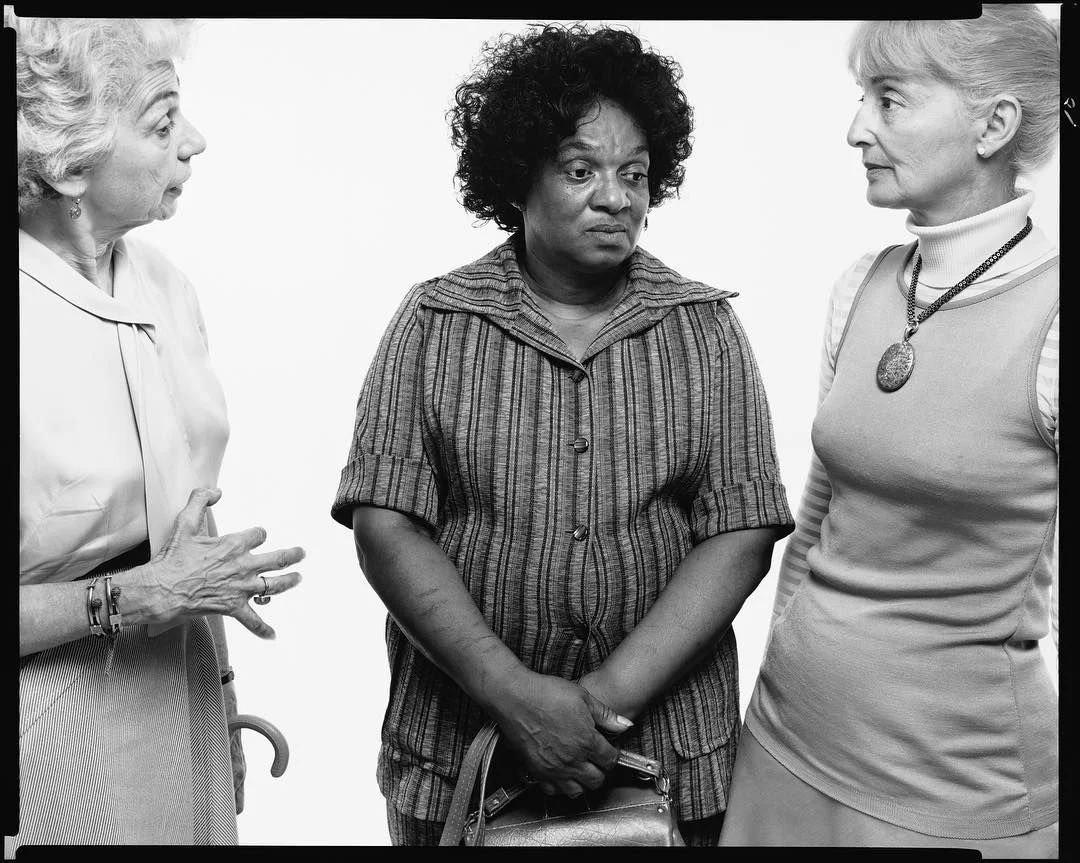
Anne Schwerner, Fannie Lee Chaney and Carolyn Goodman, mothers of slain civil rights workers, New York, July 15, 1975. Photo by: Richard Avedon
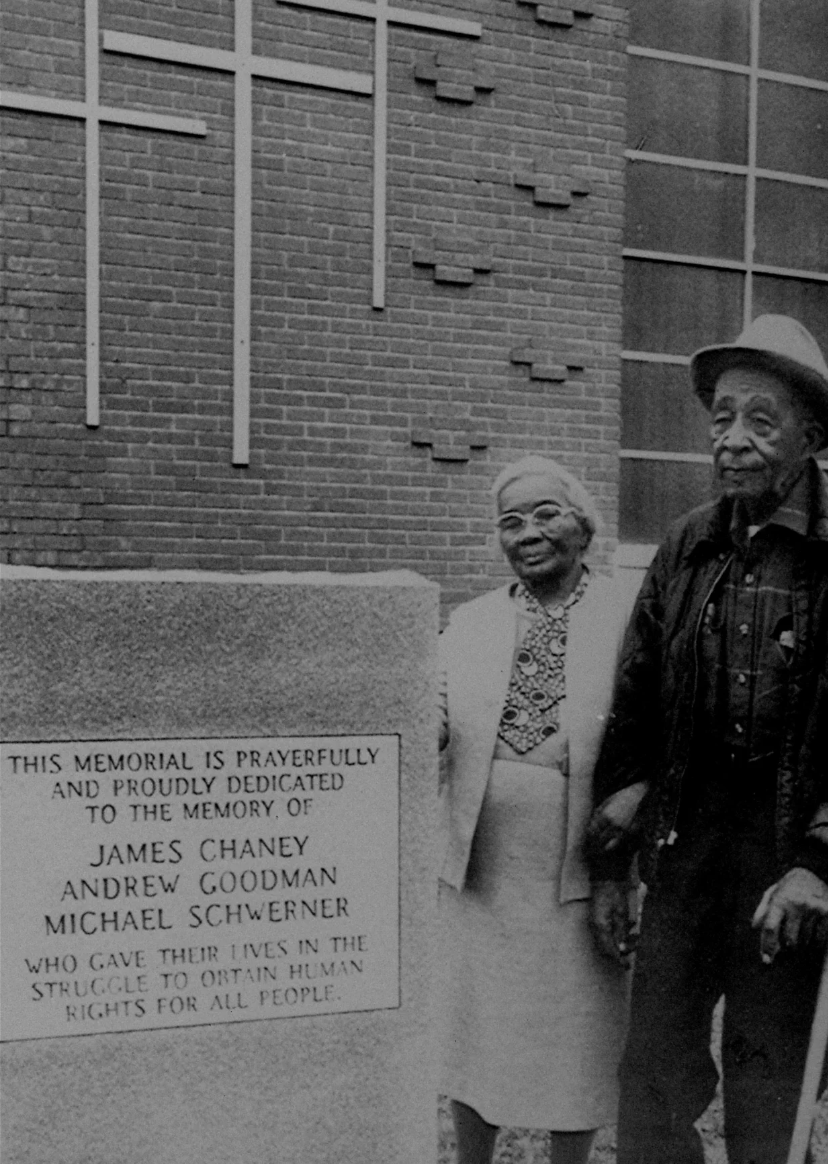
J.R. "Bud" and Beatrice Cole show the memorial marker in Neshoba County, Miss., January 6, 1989, to James Chaney, Andrew Goodman, and Michael Schwerner. Mt. Zion Methodist Church, burned by the Ku Klux Klan five days before the murders is behind the couple. The night of the burning, Klansmen beat Cole as he left a meeting at the church, suspected of being a meeting place for civil rights workers. AP Photo/Strat Douthat
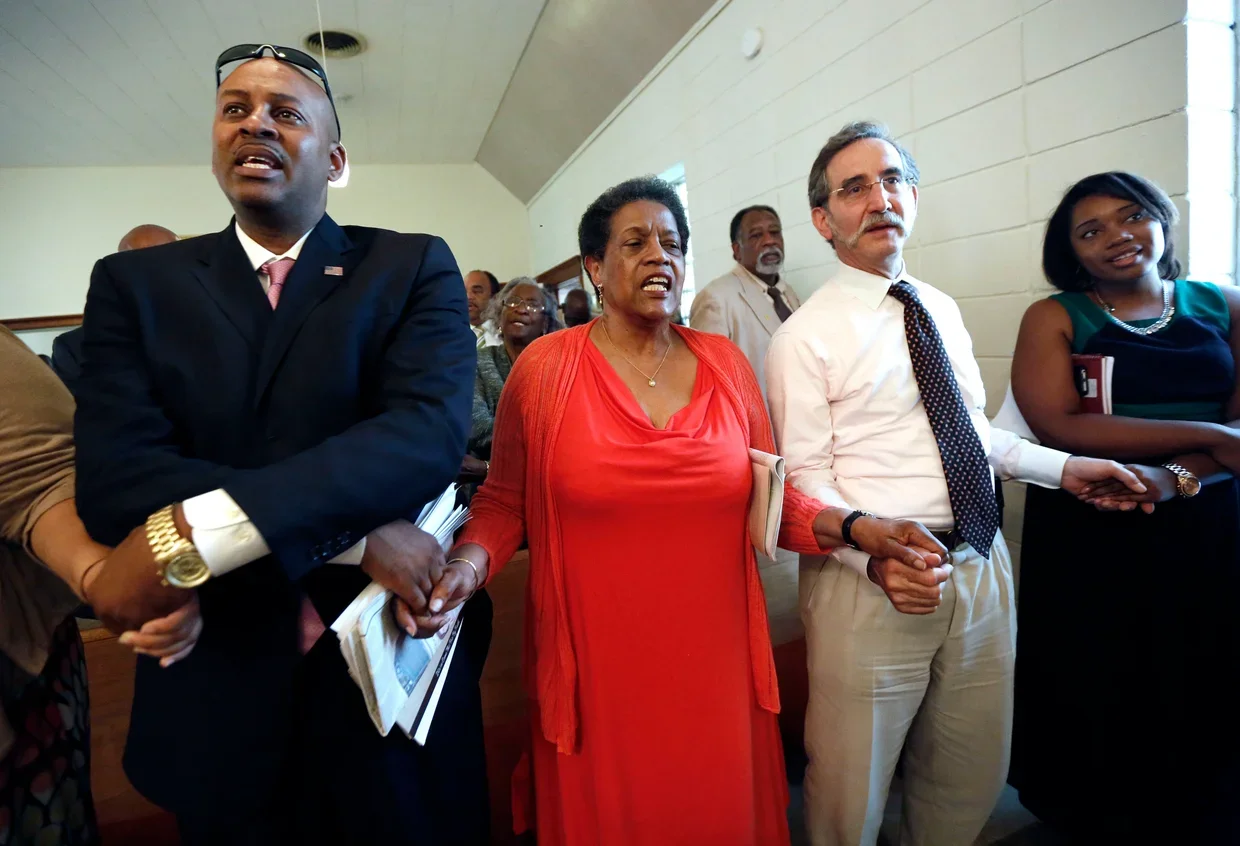
Meridian Mayor Percy Bland, left, holds hands with civil rights activist and widow of civil rights pioneer Medgar Evers, Myrlie Evers-Williams, and Dave Goodman, brother of slain civil rights worker Andrew Goodman during a ceremony at the Mt. Zion United Methodist Church in Philadelphia, Miss., Sunday, June 15, 2014. The commemorative service was for Goodman and two other civil rights workers killed in Neshoba County for their voter registration work among blacks in then segregationist Mississippi. AP Photo/Rogelio V. Solis
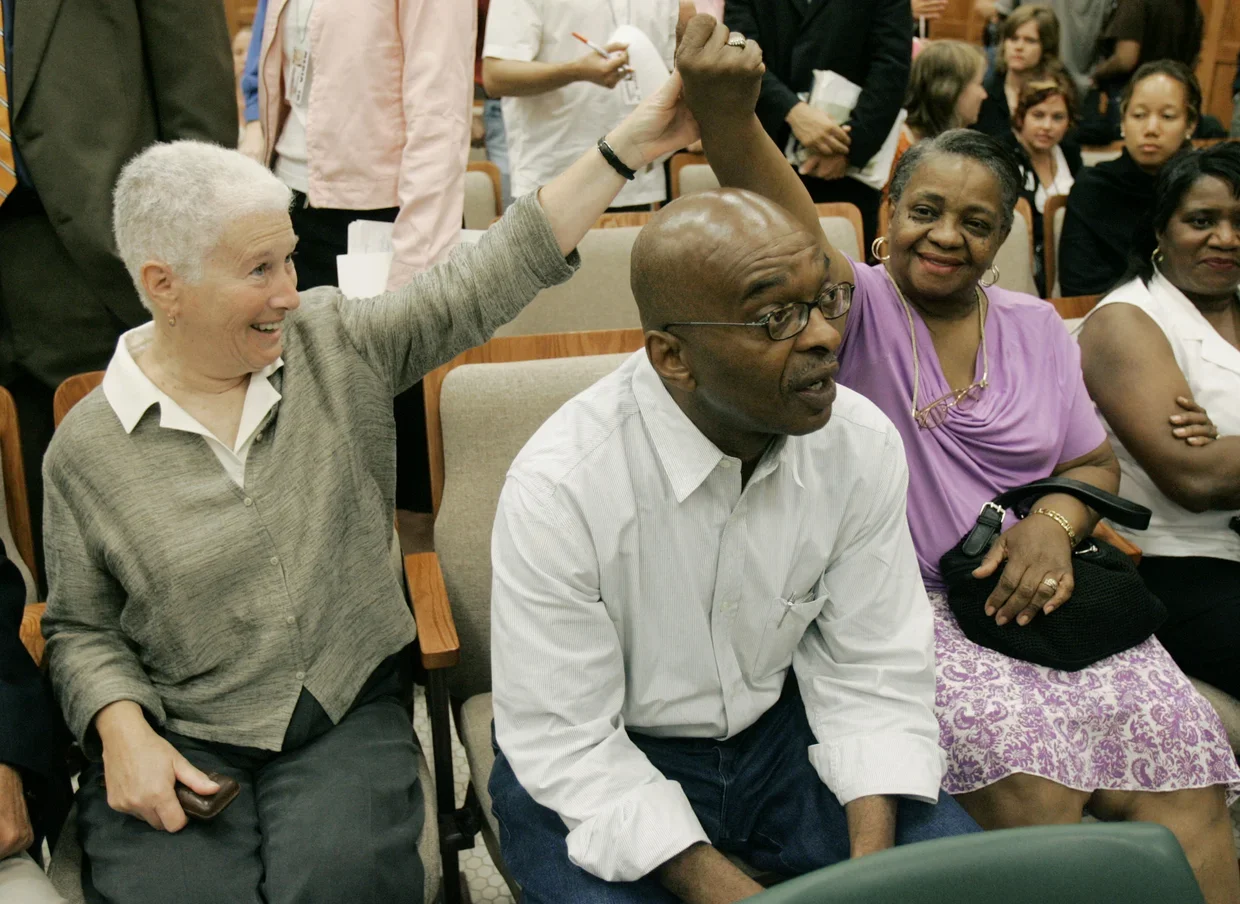
Rita Schwerner Bender, widow of Michael Schwerner (L) greets, Barbara Chaney Dailey, as her brother Ben Chaney, both siblings of James Chaney, leans forward, during a recess in the murder trial of Edgar Ray Killen, June 16, 2005 in Philadelphia, Mississippi.
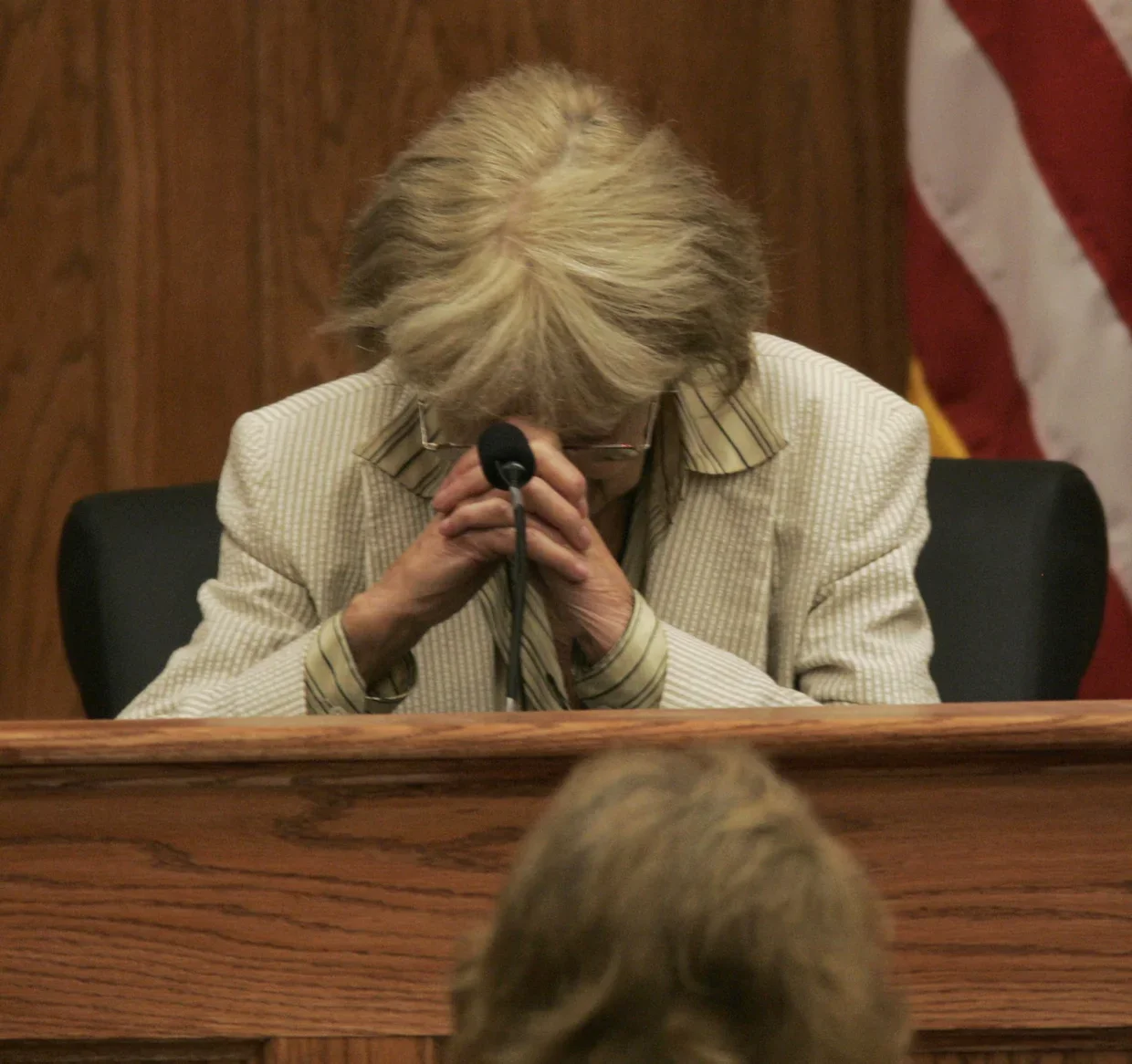
Dr. Carolyn Goodman, mother of murdered Civil Rights worker Andrew Goodman, gathers herself while testifying in the Edgar Ray Killen Civil Rights Murder Trial on in Philadelphia, Mississippi on Friday June 17, 2005. Getty Images
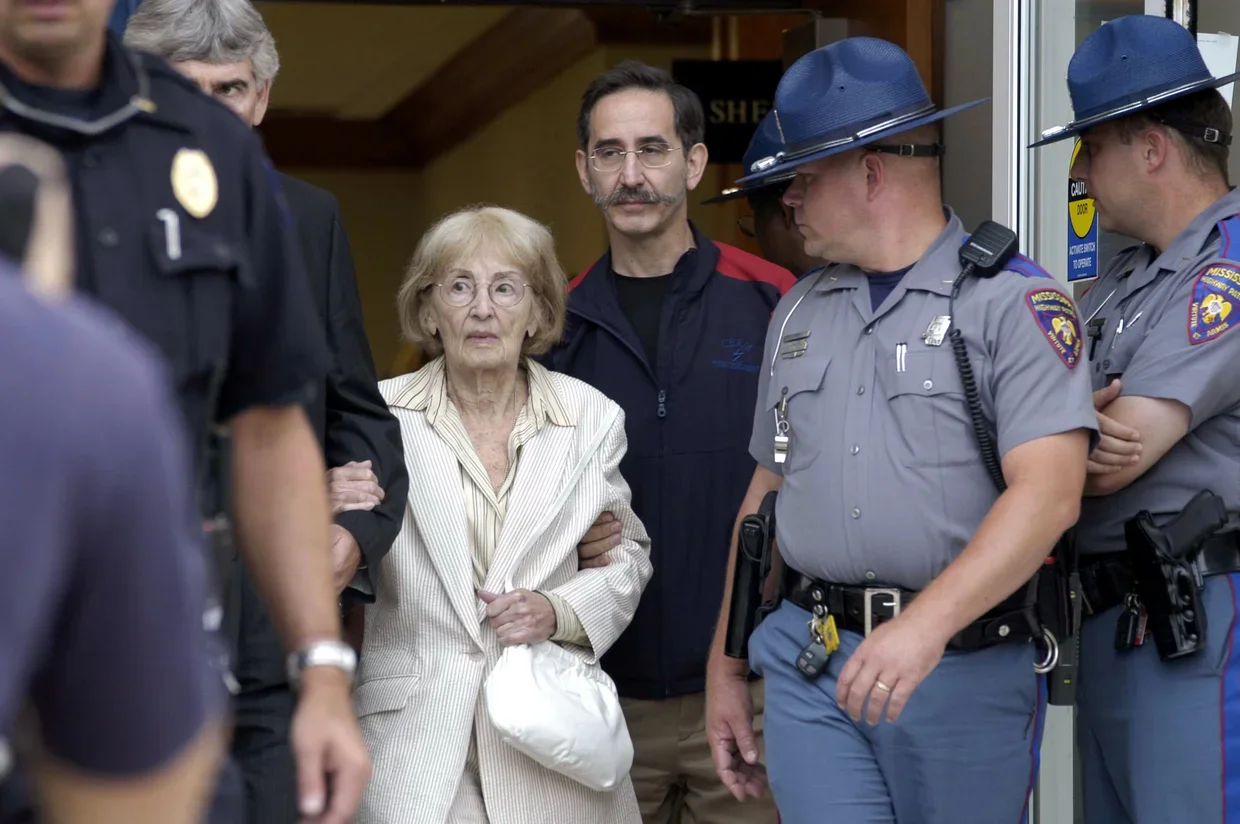
Dr. Carolyn Goodman, the mother of slain civil rights worker Andrew Goodman, leaves the Neshoba County Courthouse escorted by her son, David Goodman on June 17, 2005 in Philadelphia, Mississippi. Goodman, who lives in New York City, testified on the fourth day of the Edgar Ray Killen murder trial. Photo by Marianne Todd/Getty Images
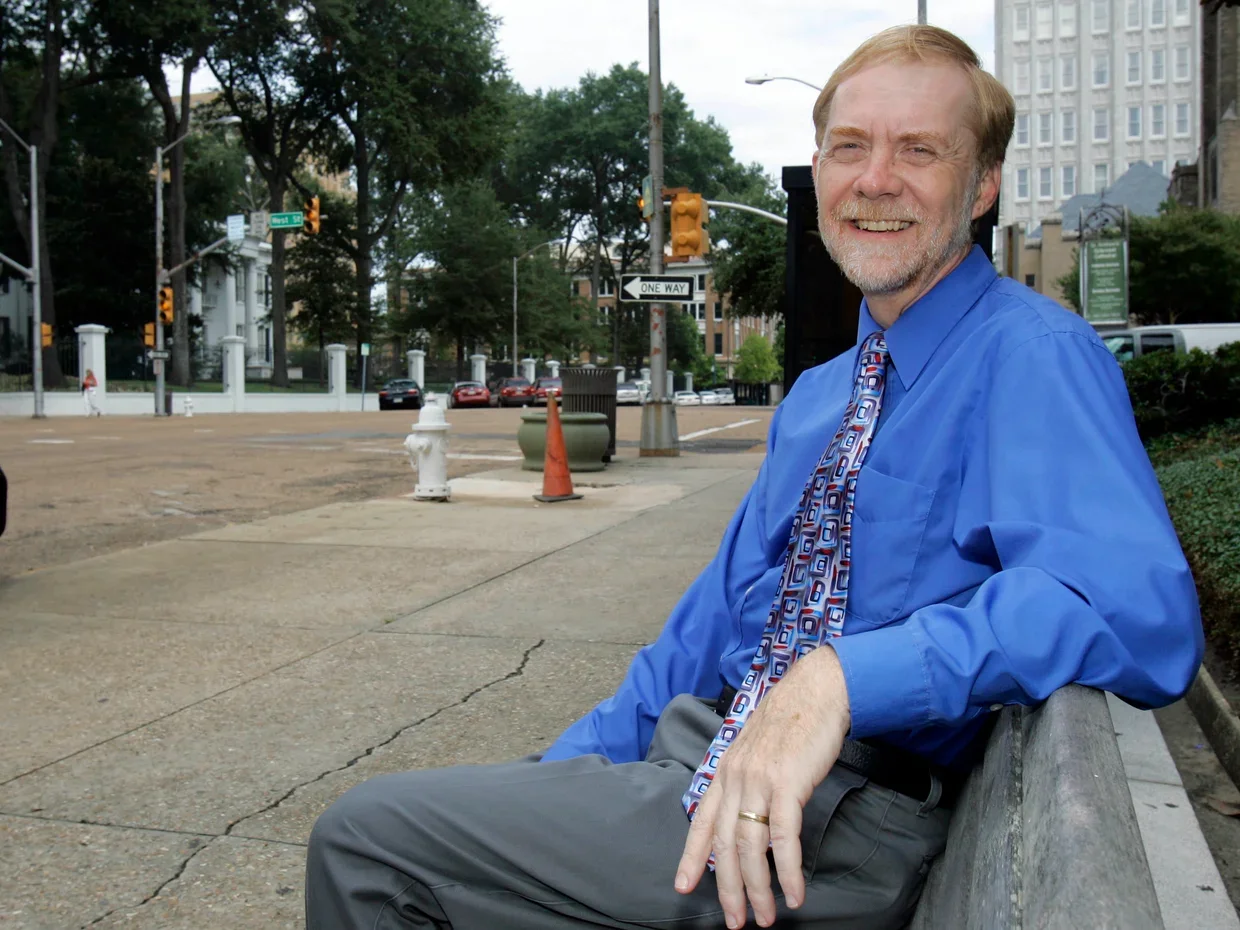
Clarion-Ledger newspaper investigative reporter Jerry Mitchell sits at a bus stand outside the federal courthouse in downtown Jackson, Miss., Monday, Sept. 21, 2009, where some of Mitchell's subjects have spent their last days of freedom, trying to "beat the rap" for decades-old civil rights crimes that escaped justice. Mitchell's reporting was instrumental in helping secure a conviction against Edgar Ray Killen in 2005. AP Photo/Rogelio V. Solis